Shrimp Diseases

Causes and Prevention of Myo Disease in Shrimp

Fini Afidah
Fini Afidah
10 August 2025
Share article
Cover - Menangani Penyakit Myo Udang.webp

Myo disease or Infectious Myonecrosis Virus (IMNV) is an infection that attacks the striated muscle tissues in shrimp, causing gradual muscle damage and death within 9–13 days after infection. In Indonesia, myo disease was first detected in Situbondo, East Java, in 2006.

The economic losses caused by this disease can be severe. In addition to high mortality rates, shrimp infected with myo often suffer a decline in flesh quality, making them difficult to sell. Shrimp with cloudy or pale muscles have lower market value and are frequently rejected by export markets.

So, what are the symptoms, causes, and ways to prevent your shrimp from getting infected with myo disease? Find out in the sections below!

Symptoms and Clinical Signs of Myo

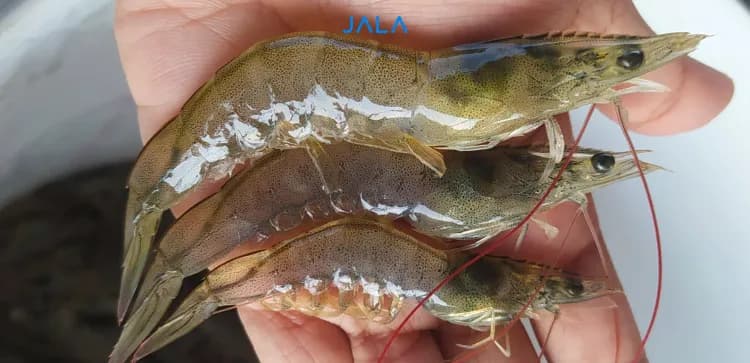
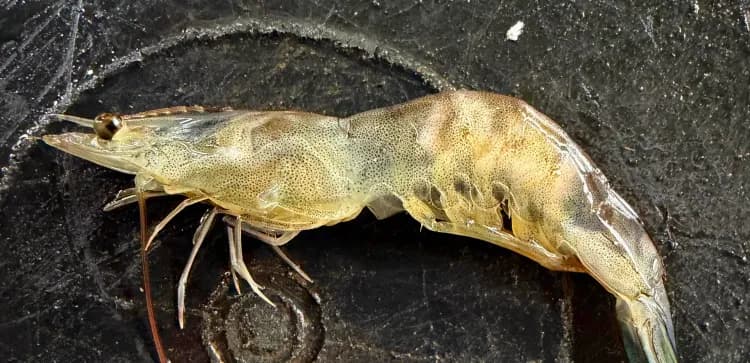
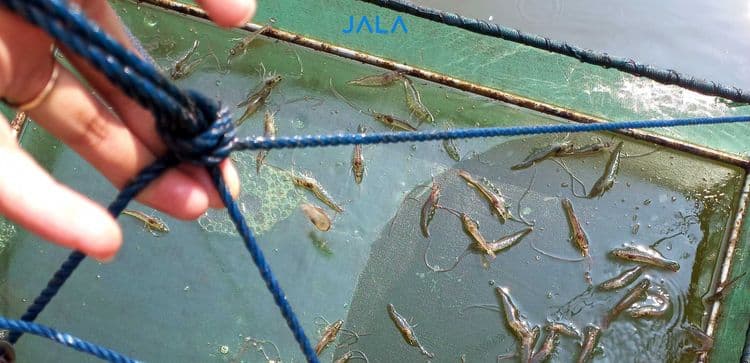
Shrimp infected with myo typically show visible changes in their muscles, especially in the abdomen area, which becomes pale white or cloudy. These changes are often accompanied by other symptoms such as reduced appetite, lethargic or weak swimming activity, muscle tissue swelling, and increased mortality rates.

In severe cases, the entire muscle tissue may turn grayish white, indicating widespread tissue damage.

Causes of Myo Outbreaks

Myo disease can affect shrimp in grow-out ponds and is commonly triggered by:

  • Infected by the IMNV virus, which enters the shrimp's body through direct contact, contaminated pond water, or unsterilized farming equipment.
  • Environmental stress caused by fluctuating temperature, salinity, or poor water quality.
  • Physical injuries that make shrimp more vulnerable to infection.
  • Secondary infections from opportunistic bacteria like Vibrio spp.
  • Poor nutrition, particularly deficiencies in essential amino acids and minerals, which weaken the shrimp’s immune system.
How to Prevent Myo in Shrimp

To prevent myo outbreaks, shrimp farmers can take several mitigation steps:

  • Water quality management. Keep parameters like Dissolved Oxygen (DO), salinity, temperature, and pH stable and within optimal ranges.
  • Proper nutrition. Feed shrimp with high-quality, well-balanced diets to boost their immune response.
  • Stress reduction. Minimize handling and physical disturbances, especially during harvest and pond management.
  • Biosecurity. Implement tight biosecurity protocols to block the introduction of pathogens into the pond.

Strategies to Maintain Profitability During a Myo Outbreak

If an outbreak does occur, farmers should remain calm and implement effective strategies to minimize financial loss.

  • Harvest optimization. Conduct partial or selective harvesting before the infection spreads to more shrimp to secure revenue from still-healthy stocks.
  • Operational efficiency. Reduce production costs by optimizing feed use, electricity, and employees.
  • Stocking density management. Lower shrimp density to reduce stress and slow disease transmission.
  • Alternative marketing strategies. Explore local markets or processed product segments that can still accept shrimp with reduced quality.
  • Enhanced biosecurity. Implement biosecurity measures such as restricting pond access, disinfecting equipment, and controlling water movement to prevent the spread of disease to healthy ponds.

Conclusion

Myo disease in shrimp is caused by the IMNV virus, which attacks the muscle tissues. If not properly managed, it can lead to reduced appetite, decreased activity, and death within 9–13 days. The disease is commonly triggered by stress, physical injury, bacterial co-infections, and poor nutrition.

To prevent it, farmers should maintain optimal water quality, minimize shrimp stress, provide balanced nutrition, conduct routine monitoring, and apply strict biosecurity measures. If infection has already occurred, consider partial harvesting and seek alternative markets that accept lower-grade shrimp.

To keep your pond free from myo, make sure to record every cultivation parameter and update your progress consistently. You can do this using the JALA App, an all-in-one shrimp farm management platform. Access it via app.jala.tech and download the mobile app from Google Play Store or App Store.

Follow JALA's Latest News

Get notifications on cultivation tips, feature and service updates, as well as JALA's latest activities.