Shrimp Diseases

EHP in Shrimp: Its Symptoms, Causes, and Treatment

Fini Afidah
Fini Afidah
30 April 2025
Share article
Cover - EHP.webp

Enterocytozoon hepatopenaei (EHP) is a microsporidia that causes hepatopancreatic microsporidiosis disease in shrimp. This disease was first found infecting tiger shrimp in Thailand in 2009, then spread to India, China, Vietnam, Malaysia, and Indonesia.

What are the symptoms and causes of EHP? What can be done if EHP has infected shrimp in the pond? Find the full explanation below.

EHP Symptoms

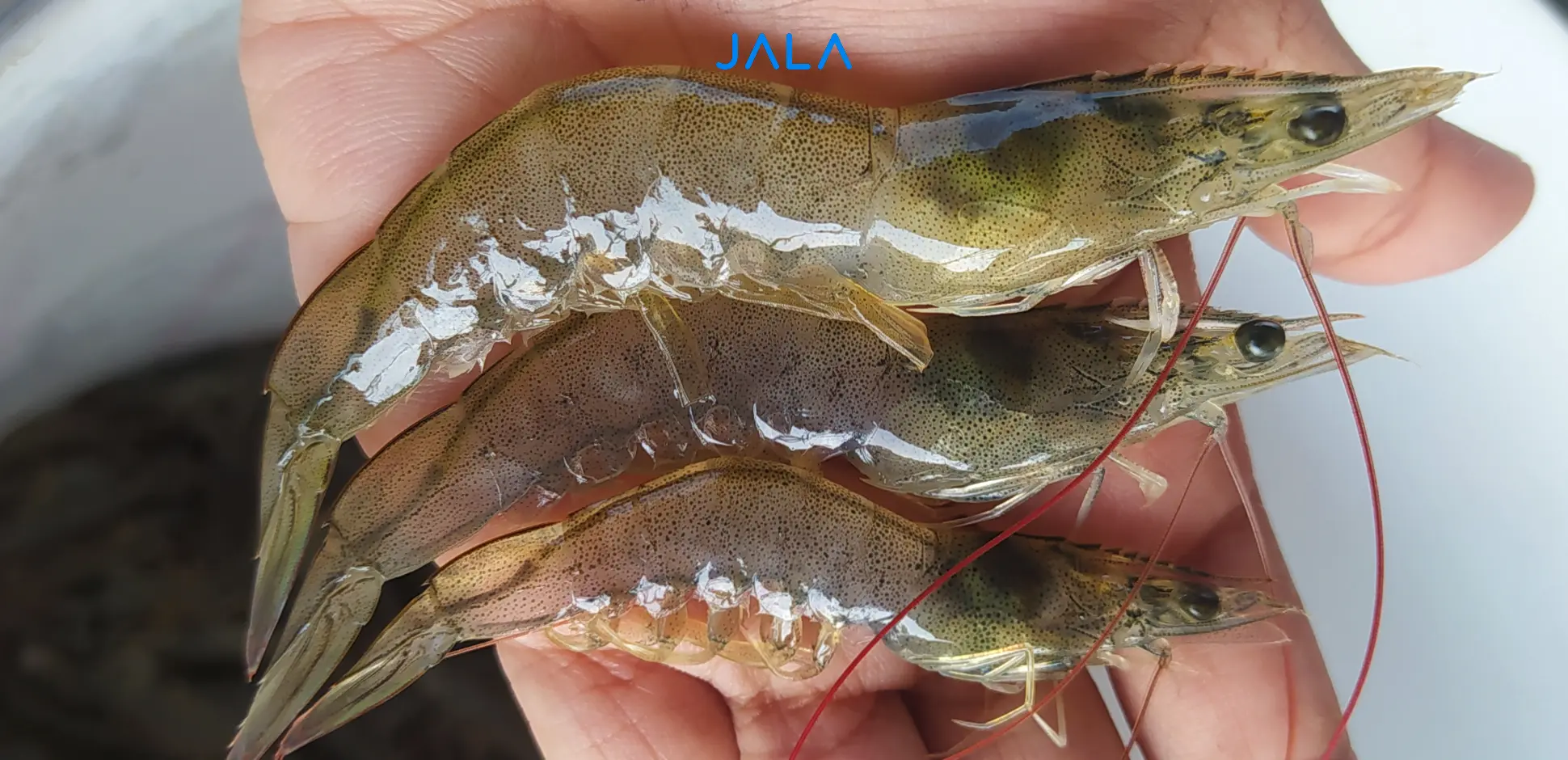
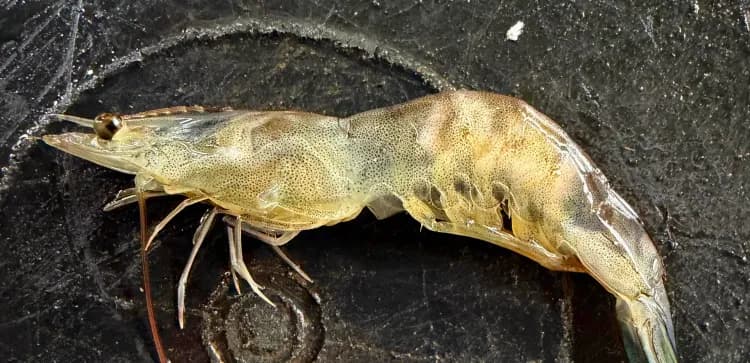
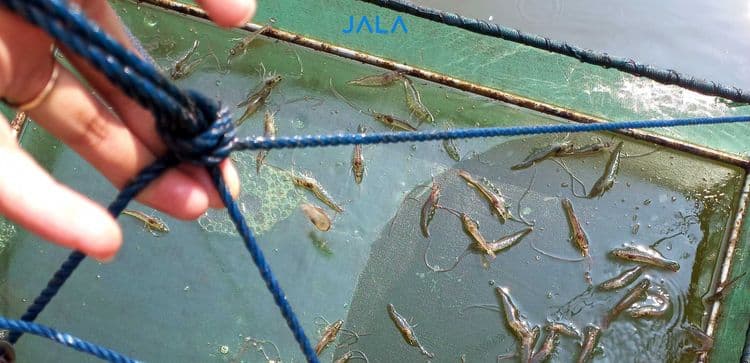
EHP is typically characterized by significantly varied and non-uniform shrimp sizes within the same pond. In some cases, shrimp infected with EHP developed white backs, similar to the symptoms of white feces disease (WFD).

Although the mortality rate of EHP is not as severe as other shrimp diseases such as AHPND or IMNV, farmers should not overlook this fungal pathogen disease. If left untreated, this disease can still cause death to shrimp.

Causes of EHP Infection

EHP can spread in shrimp farms due to various causes:

  • Contaminated water and sediment. If the pond water quality is poor, EHP spores can survive on the pond bottom for an extended period of time and spread by water circulation.
  • Farm equipment that has not been cleaned before use. Unsterile tools can potentially transmit EHP spores across the pond.
  • Shrimp fry that have already been contaminated with EHP. The transmission of EHP accelerates, either through feces or cannibalism.
  • Leftover feed, feces, and organic sediment. All three have the potential to host EHP spores, raising the risk of infection.
Impacts of EHP

EHP infection in shrimp farming has several detrimental impacts, including

  • Differences in shrimp growth rates.
  • Slower shrimp growth.
  • Shrimp cannot reach optimal size within the expected time frame.
  • Shrimp infected with EHP are more susceptible to infection by other diseases.

EHP Prevention

To prevent EHP from infecting shrimp, farmers can conduct several mitigations, including

Choosing High Quality Shrimp Fry

Choose shrimp fry from reputable hatcheries that implement strict biosecurity protocols and possess Specific Pathogen Free (SPF) and Specific Pathogen Resistant (SPR) certifications. Shrimp fry with SPF specifications are guaranteed to be free of disease-causing viruses, while SPR specifications guarantee that shrimp fry are resistant or resilient to specific pathogens.

Implementing Proper Water Quality Management

Monitor water quality on a regular basis, particularly pH, temperature, dissolved oxygen (DO), and salinity. Siphon the bottom of the pond on a regular basis to reduce spore accumulation.

Implementing Strict Biosecurity Practices

Implement biosecurity practices in shrimp farms by limiting access to avoid contamination from external sources. Additionally, sterilize pond equipment, such as paddlewheels and nets, before use.

EHP Treatment

There is currently no known cure for EHP. However, if shrimp in a pond have been infected with EHP, farmers can clean the spores in the pond.

Cleaning is conducted by applying 6 tons of lime (CaO) per hectare, plowing it into the soil up to 10-12 cm, adding water, and allowing it to soak in. Leave it for a week, and the soil pH will rise to 12 for a couple of days. After that, pH will return to normal as it absorbs carbon dioxide to form CaCO3.

Strategies for Maintaining Profit Despite EHP

If EHP has spread in the pond, farmers can take the following steps to maintain profits:

  • Harvest some of the remaining marketable shrimp to reduce pond density and shrimp stress levels.
  • Reduce previous excessive feeding to reduce organic waste, which can worsen pond conditions.
  • Add extra supplements such as probiotics and immunostimulants to boost shrimp infection resistance.
  • If the shrimp do not meet factory standards, consider selling them in the local market or processing them into value-added products such as processed shrimp.
  • If the infection has spread widely, consider ending the cycle early, cleaning the pond, and preparing a new cycle with stricter biosecurity.

Conclusion

EHP is a microsporidia that causes hepatopancreatic microsporidiosis in shrimp. The symptoms are identified by differences in shrimp size within the same pond. The causes range from contaminated water and sediment to accumulated leftover feed, feces, and organic sediment. Meanwhile, the impact of EHP is seen in the growth rate of shrimp, and shrimp infected with EHP are more susceptible to other diseases.

To prevent EHP, farmers can take several mitigation measures, including choosing high-quality shrimp fry, properly managing water quality, and implementing strict biosecurity practices. If the shrimp have been infected with EHP, you can clean the spores in the pond. Furthermore, you can still maintain profit by taking various measures, from partial harvesting to ending the cycle early if the EHP infection has spread widely.

To make the best decisions for your farm, make sure to record every progress and farming parameters. You can record it in JALA’s shrimp farm management application: JALA App.

In addition to recording, JALA App also helps you to estimate several key parameters of shrimp farming, calculate performance, daily feed, product dosage, and so on, monitor shrimp price trends, and many more.

What are you waiting for? Register today at app.jala.tech and download JALA App mobile from Google Play Store or App Store.

References

Enterocytozoon hepatopenaei (EHP) Disease Guide | The Fish Site Mikrosporidiosis Hepatopankreas/Enterocytozon hepatopenaei (EHP) | JALA

Follow JALA's Latest News

Get notifications on cultivation tips, feature and service updates, as well as JALA's latest activities.